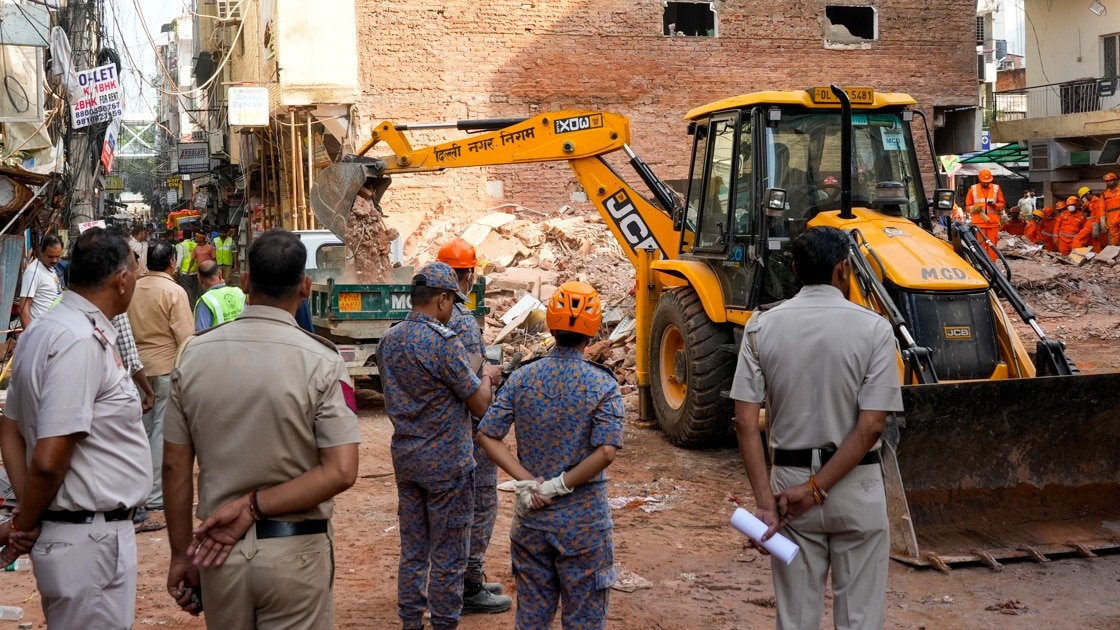
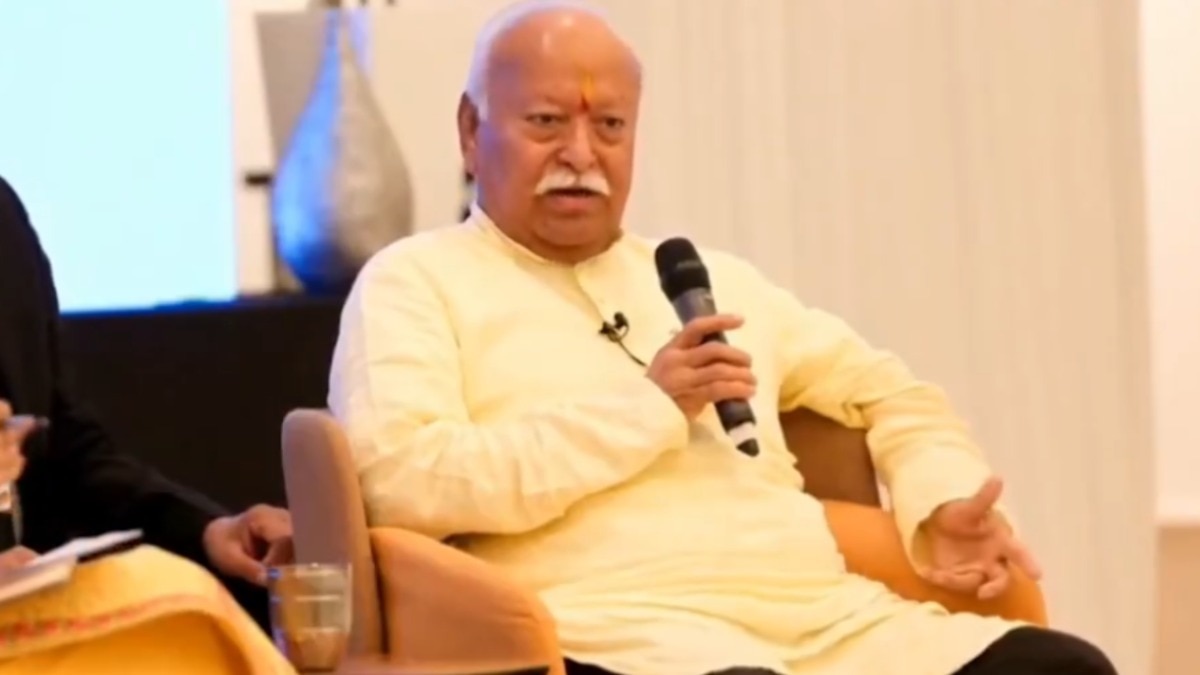
SC on India's garbage crisis: Train students to teach parents, upgrade waste systems
A bench of Justices SVN Bhatti and NV Anjaria flagged what it called a “regrettable attitude” towards waste management, with people believing they have the right to generate waste but not the responsibility to segregate, store and dispose of it properly. The court said every…
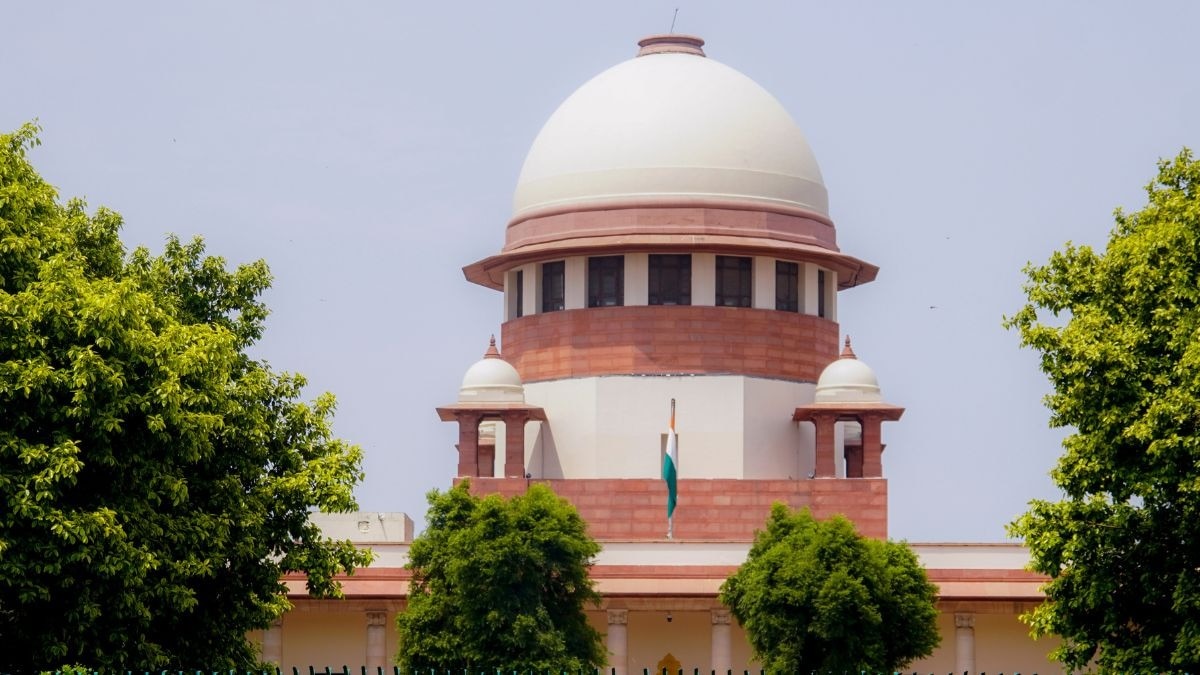
A bench of Justices SVN Bhatti and NV Anjaria flagged what it called a “regrettable attitude” towards waste management, with people believing they have the right to generate waste but not the responsibility to segregate, store and dispose of it properly. The court said.
The court directed the Departments of School Education and Higher Education to immediately integrate theoretical and practical lessons on solid waste management into the curriculum. Students will be encouraged to educate their families, while teachers will be trained as trainers.
What Happened
The court said trained students could function as household-level supervisors. The bench observed that “an educated child is the most effective and least coercive instrument” for educating parents or relatives about waste management.
India’s population exceeds 1.4 billion, and every person, household and institution generates solid waste as an inevitable part of daily life and economic activity.
The court said the country’s waste management infrastructure requires a complete audit and upgrade to meet the standards prescribed under the SWM Rules, 2026.
The court cautioned against relying indefinitely on state supervision and penalties, saying lasting change requires citizens and institutions to internalise their obligations.
Key Details
It also directed district education departments to conduct periodic audits of the training programme, while expressing concern over the slow pace of awareness programmes in schools and colleges. The Supreme Court said the scale and complexity of waste in India have outgrown.
Authorities have also been directed to act on complaints of illegal dumping and maintain compliance reports, including consideration of geotagged photographs of garbage accumulation.
Services can be restored after submission of a compliance certificate.
The court said non-compliant bulk waste generators could face temporary disconnection of water and electricity by the District Collector’s special cell.
Why It Matters
The waste includes biodegradable and non-biodegradable material as well as hazardous, electronic and construction waste. The court said the assumption that waste is solely a problem for sanitation workers, while the rest of society remains passive, is neither legally correct nor practically.
Local bodies have also been directed to communicate the obligations of bulk waste generators, including segregation, safe storage and proper handover of waste.
The court directed them to identify all bulk waste generators (BWGs) in their jurisdictions, in coordination with local bodies, within six weeks.
What Reports Say
Coverage of the story so far points to:
Continued reporting by India Today as more details emerge