Gravis Robotics raises $200 million to scale its construction robotics business
Gravis Robotics has raised $200 million in a Series A investment from SoftBank to scale its autonomous heavy machinery technology across construction sites globally. The company says growing demand for energy networks, data centers, housing, transit and climate-resilient infrastructure is placing increasing pressure on the…
The company says growing demand for energy networks, data centers, housing, transit and climate-resilient infrastructure is placing increasing pressure on the construction industry. Labor shortages are adding to the challenge, while heavy construction remains one of the least automated major industries.
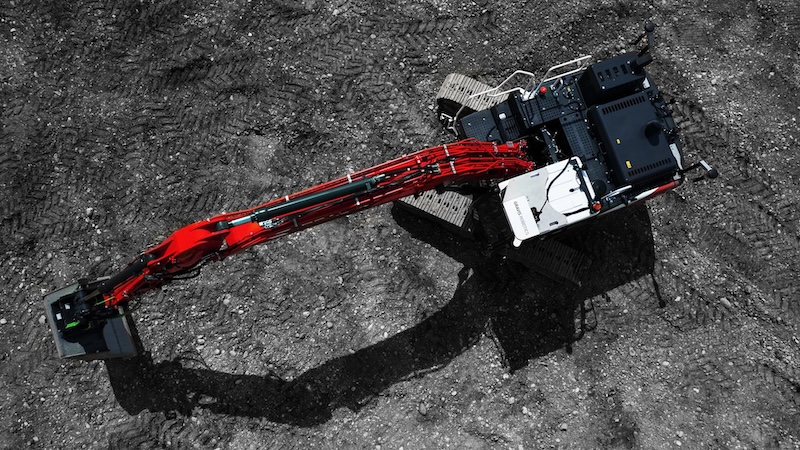
Unlike autonomous vehicles and many other robotic systems that operate in relatively static environments, excavators continuously interact with and alter their surroundings. They encounter changing soil conditions, hidden rocks and other unpredictable forces while reshaping the ground with every movement of the bucket.
What Happened
Gravis addresses this challenge using AI models trained through large-scale simulation. The company says its synthetic training environments allow its systems to move billions of cubic yards of virtual earth across conditions ranging from soft clay to rock-filled soil, helping bridge the.
Gravis Robotics has raised $200 million in a Series A investment from SoftBank to scale its autonomous heavy machinery technology across construction sites globally.
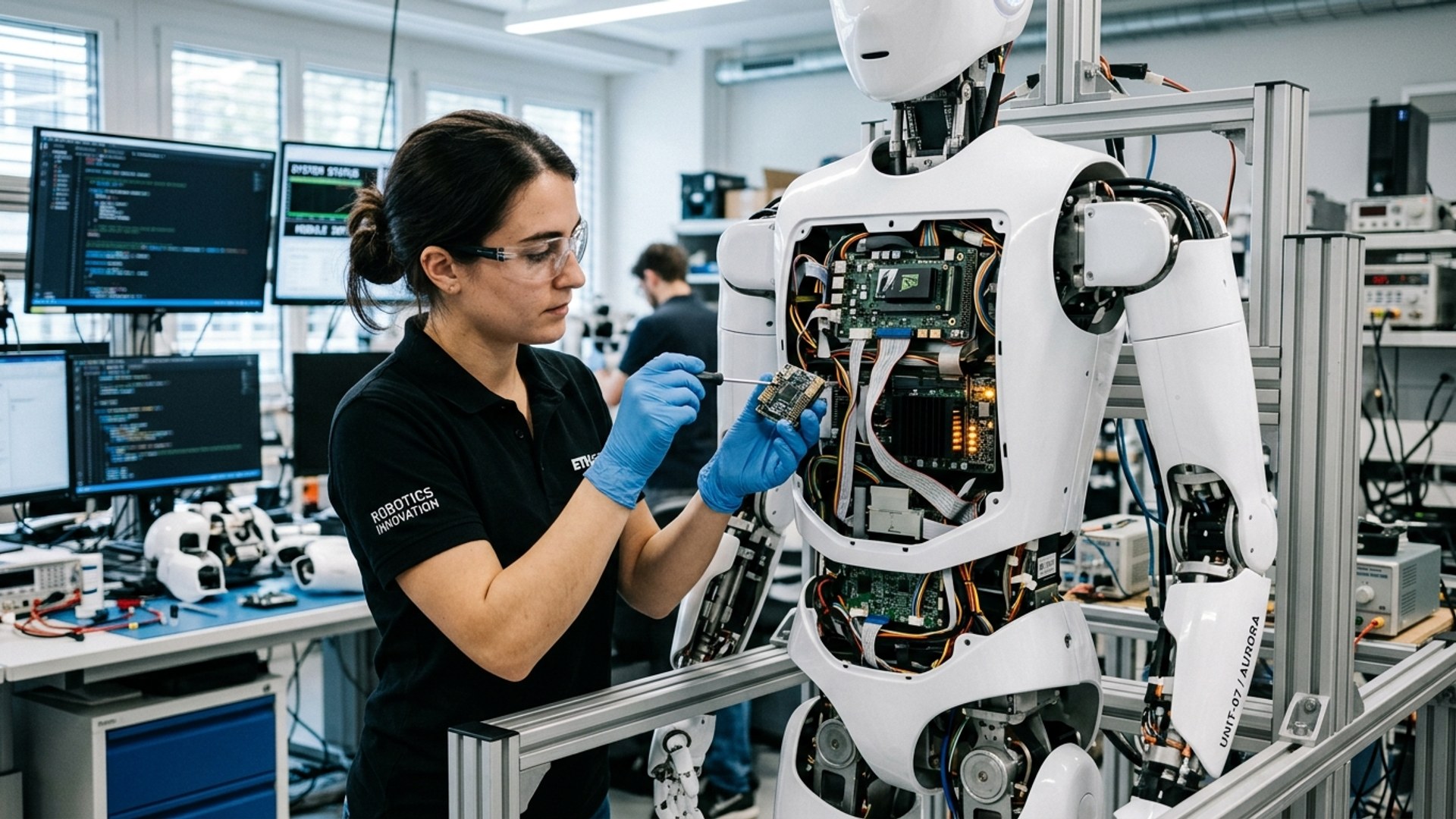
Founded in 2022 and spun out of ETH Zurich, Gravis develops physical AI technology designed to bring software-defined intelligence and autonomous operation to heavy construction machinery.
Gravis says its systems deliver up to a 30 percent improvement in jobsite productivity compared with peak manual operation while also improving worksite safety.
Key Details
Its AI world model also incorporates the performance characteristics of machinery from different manufacturers rather than being designed around a single machine. Our AI takes that same physical input and grounds it in machine telemetry, responding to varying subterranean forces and soil.
The $200 million investment supports further international deployment and the integration of its autonomous technology into existing heavy equipment fleets.
The company has also been selected to lead an $8 million UK government-backed CAM Pathfinder project in partnership with Flannery Plant Hire, a major UK provider of operated heavy-equipment rentals.
The project involves retrofitting excavator fleets with the Gravis Rack to give contractors on-demand access to autonomous machinery and support the UK’s $716 billion infrastructure pipeline.
Why It Matters
Gravis develops its technology for the fragmented heavy equipment market, where contractors frequently operate machinery from several manufacturers based on existing fleet investments and regional service relationships. Its software runs on the Gravis Rack, an autonomous control kit that has been installed.
Our machines are built for the messy, unscripted reality of live jobsites that breaks traditional automation.
That foundational work has been the bottleneck slowing down the entire built environment.
What Reports Say
Coverage of the story so far points to:
Continued reporting by Robotics & Automation News as more details emerge