From restaurants to tiffin: How Idli became an everyday Indian food
Its growing presence was recently highlighted in Delhi, where idli with sambar will soon be served to students in government and government-aided schools under a revised PM-POSHAN menu. The Directorate of Education has asked schools and implementing agencies to complete preparations by August 24. While…
Its growing presence was recently highlighted in Delhi, where idli with sambar will soon be served to students in government and government-aided schools under a revised PM-POSHAN menu. The Directorate of Education has asked schools and implementing agencies to complete preparations by August 24.
While most changes in the new six-day menu will take effect immediately, idli with sambar has been given a two-week transition period. The revised menu replaces some existing items, including ragi halwa and vegetable dalia.
What Happened
The changes were recommended by the Meal Review Committee after reviewing the weekly menu, meal coverage, stakeholder feedback and implementation experience. But the appearance of idli on a Delhi school menu also reflects a much bigger change in India's food habits: how.
Today, idli can appear in a school meal in Delhi, an office tiffin in Mumbai, a railway station in Bengaluru or a family breakfast anywhere in the country.
The inclusion of idli with sambar in Delhi's revised school menu is one more example of that process.
Migration, urbanisation, restaurants, schools, offices and travel have helped regional foods cross state boundaries.
Key Details
Idli has traditionally been associated with South Indian cuisine, particularly states such as Tamil Nadu, Karnataka, Kerala and Andhra Pradesh. Its journey beyond the region was helped by migration, travel and the spread of South Indian restaurants.
The journey of idli is ultimately a story about India's changing food culture.
Restaurants have also created variations such as mini idlis and podi idlis, giving the traditional dish a place on contemporary menus.
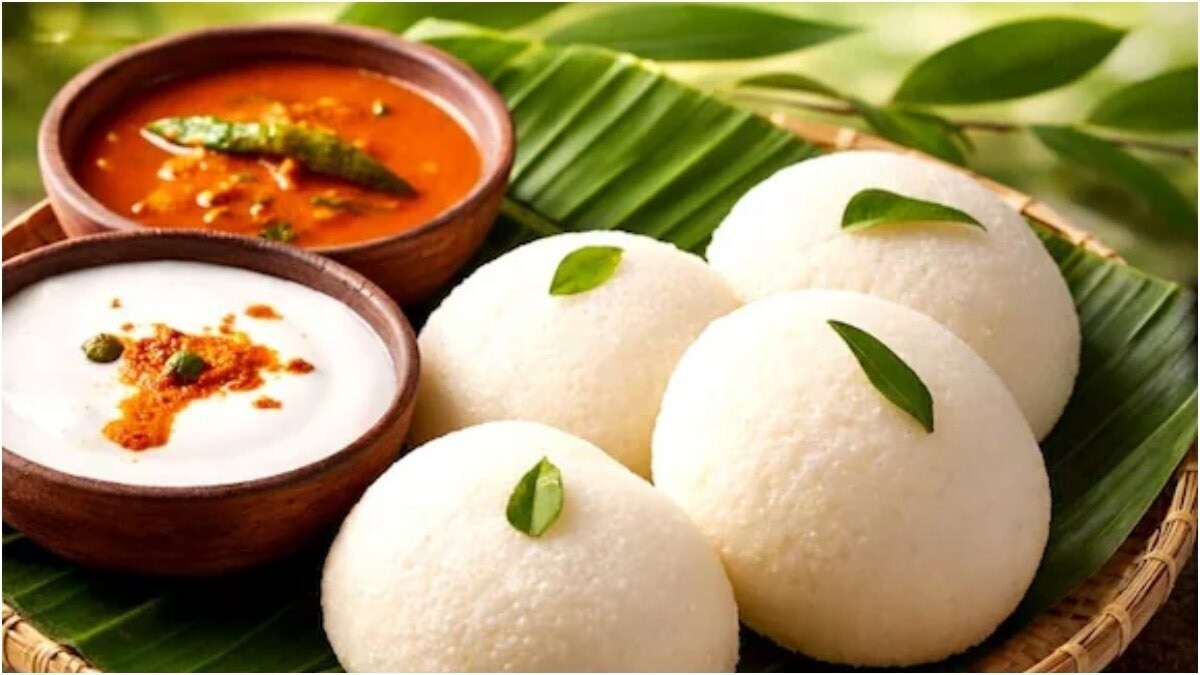
It can be served with sambar, coconut chutney, tomato chutney, podi or other accompaniments.
Why It Matters
As people moved to cities across India for education and employment, familiar foods travelled with them. South Indian restaurants played a major role in taking idli beyond its traditional geography.
This is one reason regional foods often become national favourites: repeated exposure makes them familiar, while restaurants and packaged food products make them easier to access.
A food that may first be encountered outside the home can eventually make its way into the household kitchen.
What Reports Say
Coverage of the story so far points to:
Continued reporting by India Today as more details emerge